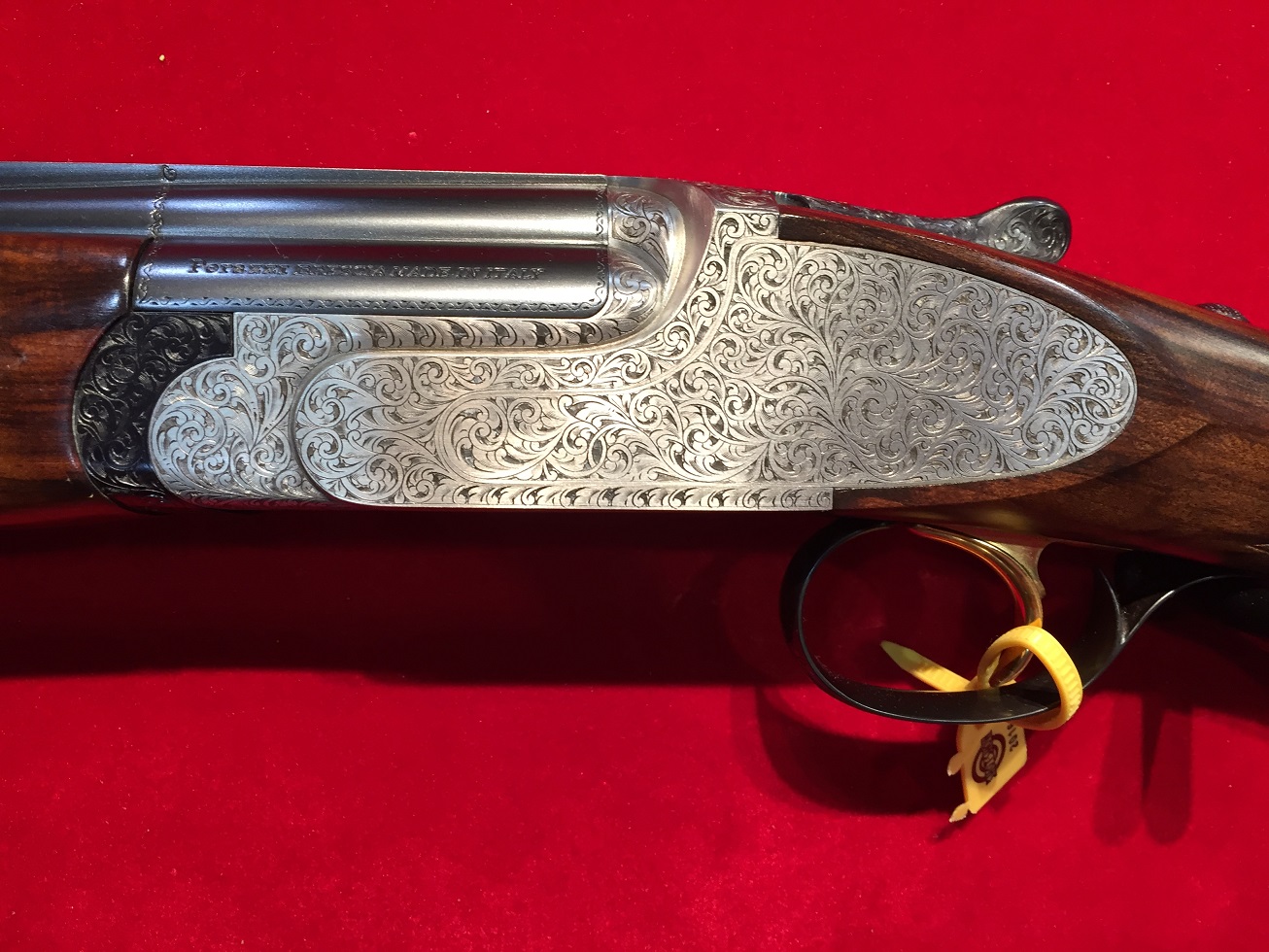
Once again Axel , a friend of gun lab, has found another interesting and unusual weapon. This time it is a single shot 6mm pistol. I just wish it was available here in the states. It is the Pistolet Le Moustic.
If you have an opportunity you should take a side trip over to
Firearms History, Technology & Development.
His site address is http://firearmshistory.blogspot.com/ this is great site. Generally he only posts a couple of times a month but when he does they are well thought out and very informative. It is well worth the trip and check out his archives. Expect to spend some time there.
I have been going and looking at firearms in England for over 20 years. One that I always go back and look at time and time again is a battery gun. Not your normal single row of barrels type battery gun. No this weapon is made up of two rows of different caliber revolvers.
This is what you would face crossing that bridge.
Each. row of weapons is controlled by a single crank handle
With spare cylinders the rate of fire could be kept up.
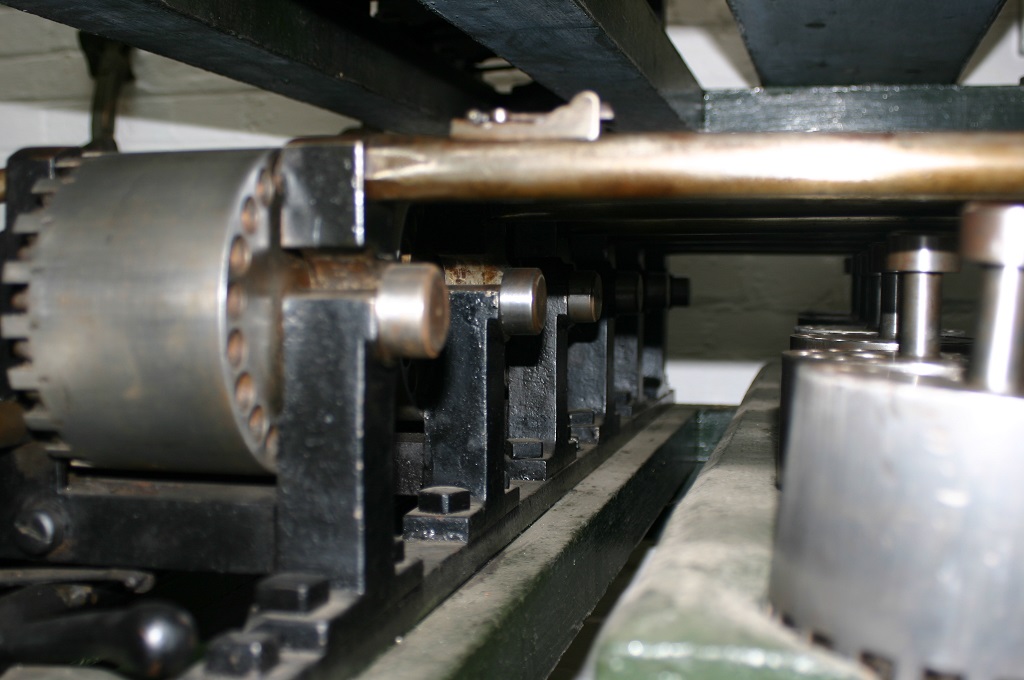
Now on to the nuts and bolts of this weapon system. In this picture you can see how the front of the cylinders set in the frame.
A view of the frame with out the cylinder. A very basic design.
I dropped by a friends house today between jobs and he had a pie of boy’s rifles that he was going through. The majority of them were single shot dropping blocks or rolling block rifles and I find those interesting, however there was one that had been gone over by someone to make what I would call a custom rifle for a child. Here are a few pictures of the rifle in question. It is a J.C.Higgins model 103,18 in 22 cal. The rifle itself has no great vale and even after being worked over it now has less value, but still interesting.
You can see that a new stock has been made for it and a new trigger guard has been fashioned for it.
A close up of the stock. Not even sure what type of wood was used.
But the fit is correct so someone took the time to make it correctly
The interesting part is the trigger guard. An old spoon or fork handle was used to make it. To make it fancy.
As I looked at it all that crossed my mind is that someone went to some trouble to make this. To me it is interesting, I just think of some guy or gal doing this for his or her daughter.
This is the run down of the fun and excitement that went on this last weekend.
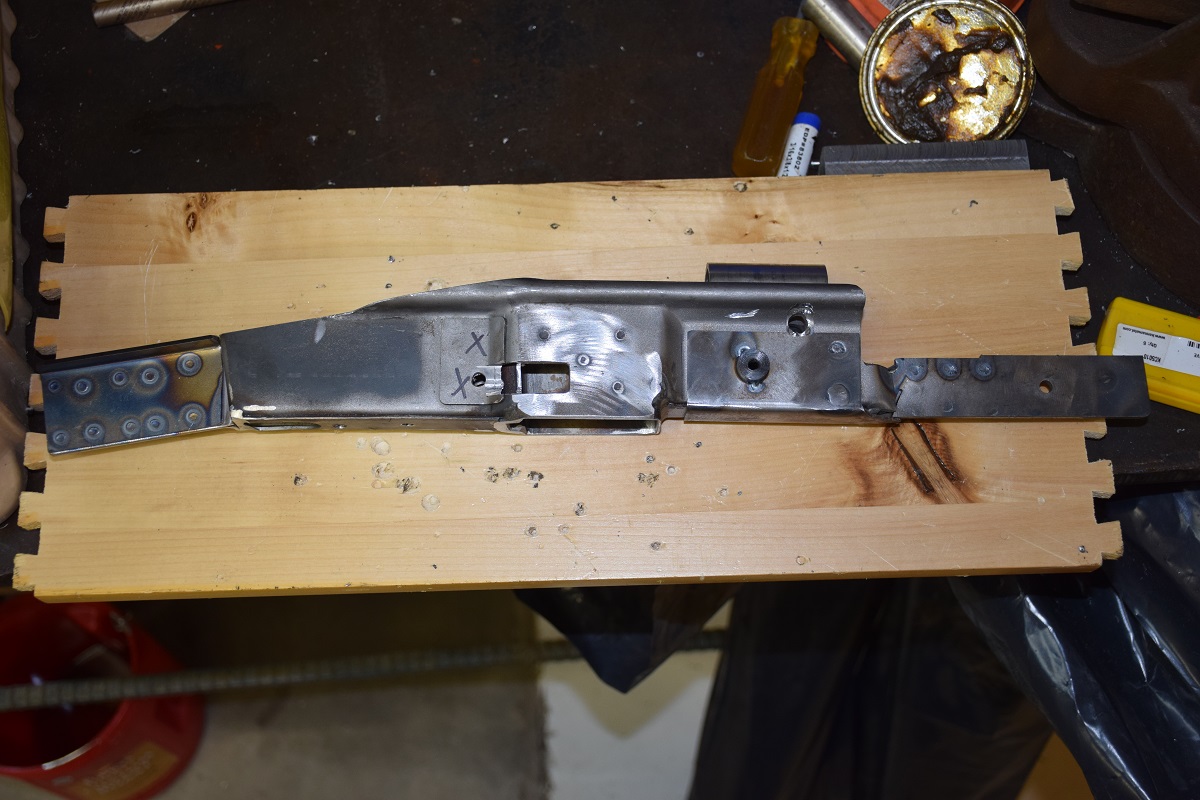
We are testing out a new ejector design for the VG1-5. The original design that we used started to experience problems after several hundred rounds. The newer one will be a little more robust and a slightly better design. It needs to work with a variety of magazine manufactures as well as our own magazine. So testing was conducted on the bench first and when we think we have all the bugs worked out it will be off to the test fixture.
I have not been able to solve the wire edm problem on my own. So now it is time to send it to the factory to be tested and repaired as necessary. I removed the monitor and it’s circuit board, packaged them up and sent them off to Mcwilliams to check it out.
I would really like to find away to change it out to a flat screen, but no luck yet with that idea.
The new circuity for the cnc router has come in and I have started working on the new layout for the control circuit.
This set up comes from Smooth Stepper (http://www.automationtechnologiesinc.com/products-page/breakout-boards/ethernet-smoothstepper-motion-control-board-with-terminals-for-mach3). With the help of my friend Orin I hope to have the basic wiring completed this next weekend.
I also got back onto the kitchen project and finished the molding for the cabinets.
Then I started on the tiling.
I am also making a parts box for the Hotchkiss portative. I wanted something on the line of a British design Vickers or Lewis box. I have finished about 1/2 of it is solid works and actually cut and planed the first two wood pieces. As the wood is coming from old pallets it took a little time.
Enough for one weekend and it’s back to work for the week.
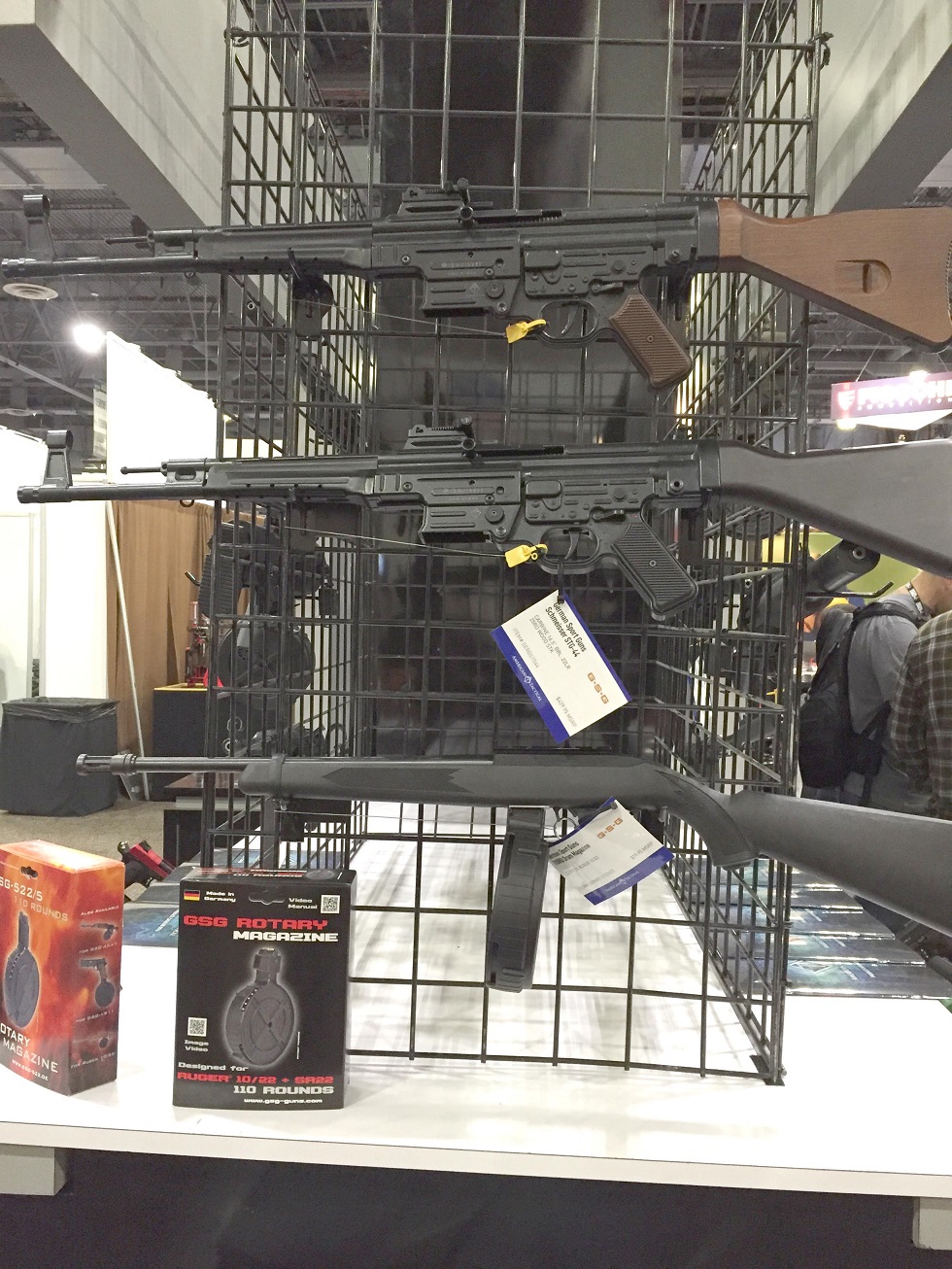
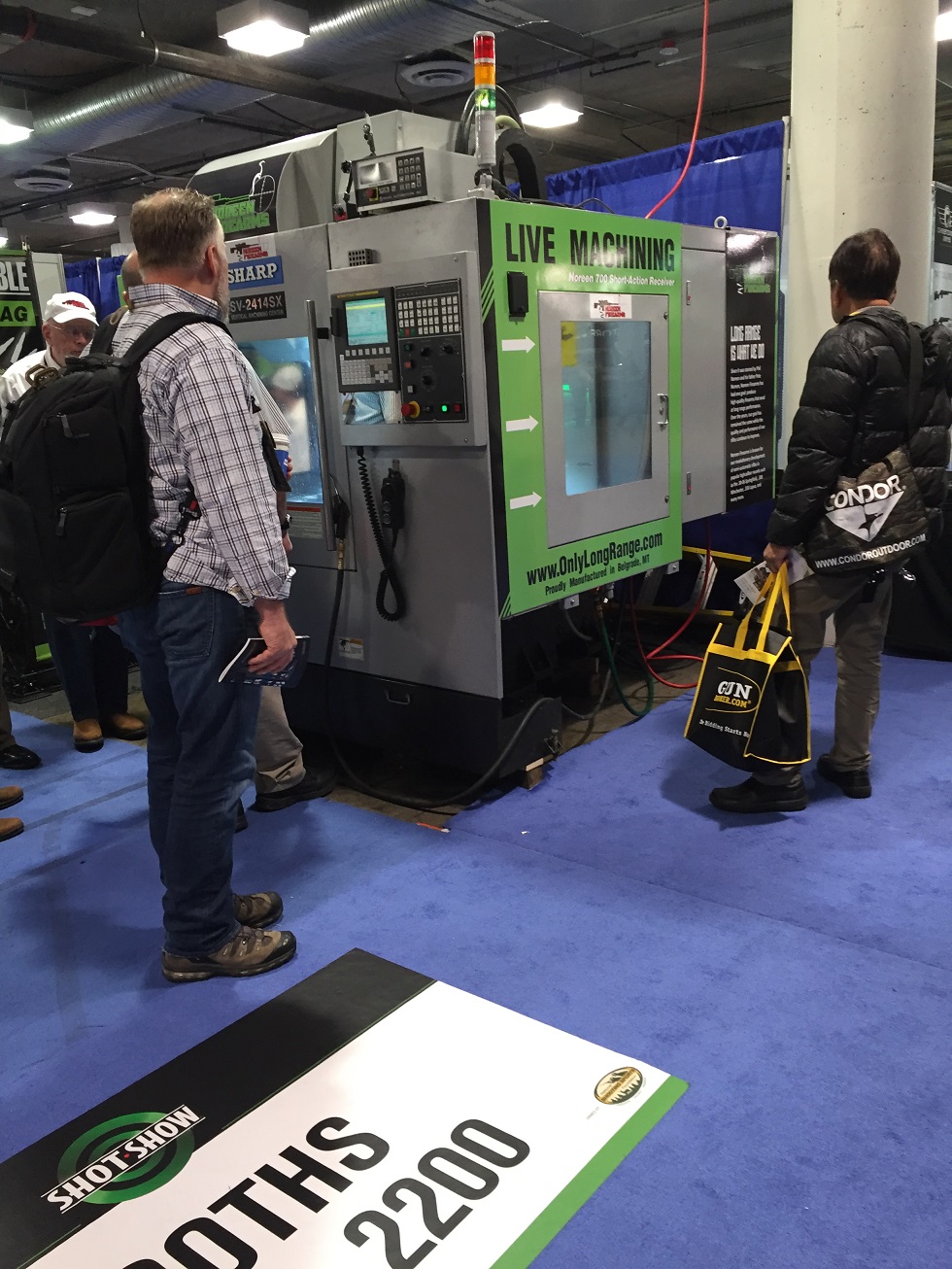
It is that time of the year that everyone has gone to the Shot Show to meet friends, look at the newest product and make deals. All the gun blogs are taking about what is new and interesting at the show and who is making what. Well I did not get the opportunity to go this year, instead my wife and a girl friend of hers went. I will have the full report in tomorrows post when she gets back of what she looked at and what was interesting to her. This is just a quick run down based upon my findings many miles away.
First I have been going to the show shot off and on for almost 3 decades now and for those of you that have not been there there are a lot of after show parties. These are events where you get to meet and mingle with designers, buyers, sellers and the people in the know. There are also a lot of meeting for drinks at the bar and dinner get together to discuss what ever . I know this because generally I am told about it the next day. Well this year I have it for fact. Not that I went to any of them but my wife and Chris, her friend, were invited and went to a number of them. In addition she had photo ops with everyone.
I am not sure what this means, but maybe next year I might get invited if I go with her.

 An interesting design

 Single shot lifting breach pistol
 Over all size
 They even had a holster design for it.
 I would really like to study this one closer.